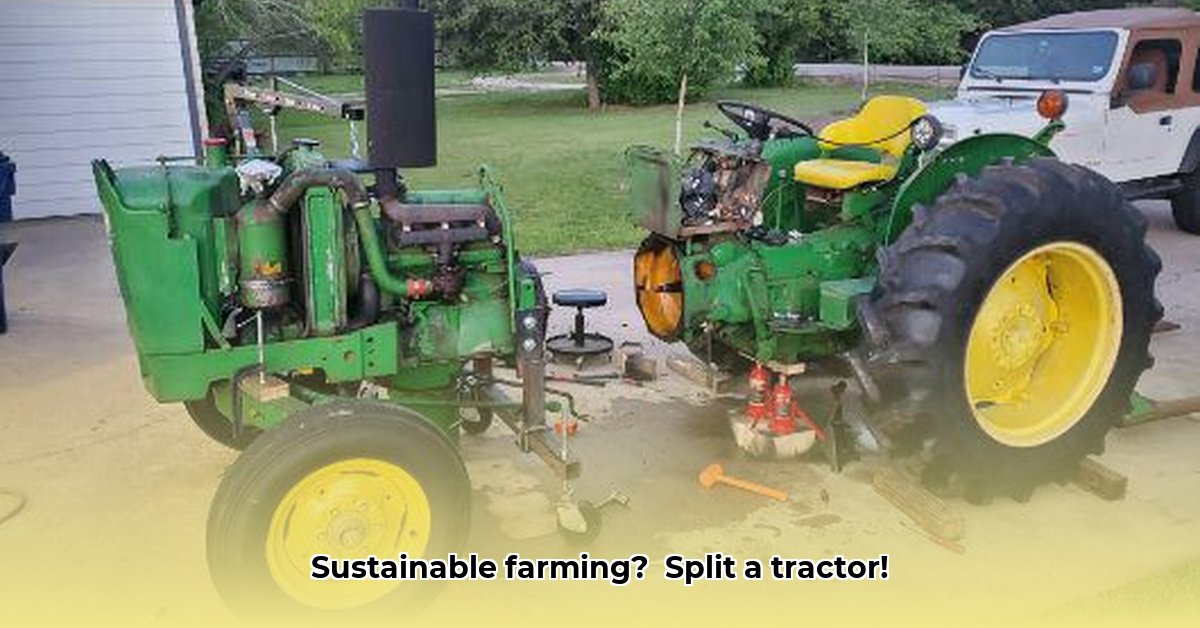
Assessing Your Tractor and Workspace for a Safe Split
Before you begin the process of splitting your tractor, a thorough assessment of both your tractor and your workspace is critical. This isn't a project to rush; careful preparation significantly reduces the risk of accidents and ensures a smoother process. A stable, level workspace is paramount. Uneven ground can compromise the stability of your jacks and jeopardize the entire operation. Consider using plywood or similar materials to create a solid, level base. Furthermore, a detailed inspection of your tractor is necessary. Understanding its weight distribution and the locations of critical components will guide your splitting strategy. Knowing where to position your jacks and support points is key to preventing accidents. Remember, proper preparation prevents problems. For additional resources, check out splitting stands.
Essential Safety Precautions: Prioritizing Safety Throughout the Process
Safety should be your top priority throughout the entire tractor-splitting process. This is not a task to be taken lightly; serious injury is a significant risk if proper precautions are neglected. Before you even touch your tractor, gather the necessary personal protective equipment (PPE). This includes sturdy work boots, heavy-duty gloves, safety glasses, and potentially a respirator depending on the fluids and materials involved. Always disconnect the tractor's battery before commencing any work to prevent electrical shocks and ensure a safe environment. Use jack stands with a weight capacity significantly exceeding your tractor's weight. Cribbing (using wood blocks) under the jack stands provides an added layer of redundancy and further enhances stability. A spotter is invaluable during the lifting and moving phases, providing an extra set of eyes and a helping hand. Remember, a moment of carelessness can lead to serious injury or damage.
Tools and Materials: A Comprehensive Checklist for a Successful Split
Having all the necessary tools and materials at hand before you start is crucial for efficiency and safety. This minimizes interruptions and prevents delays during the process. You'll need a comprehensive set of wrenches, sockets, and screwdrivers of various sizes to accommodate the different fasteners on your tractor. Jacks (floor jacks and/or hydraulic bottle jacks) are essential for lifting the tractor, while multiple jack stands rated for your tractor's weight provide support and stability. Sturdy wood blocks for cribbing add a crucial layer of redundancy to the jack support system. A pry bar can aid in separating stubborn components, and heavy-duty straps or chains can help maneuver heavier parts. A level is important for ensuring accurate alignment during both the splitting and reassembly phases. Don't forget clean rags for cleaning up fluids and appropriate containers for collecting and storing them. Having extra materials on hand is always a good idea; anticipate unforeseen needs. Your tractor's owner's manual will provide valuable insight into your specific make and model.
Step-by-Step Guide to Splitting Your Tractor: A Detailed Instructional Process
The following steps provide a structured approach to splitting your tractor. Remember to consult your tractor's manual for specific instructions and diagrams tailored to your model. Incorrect procedures can lead to serious damage or injury.
Preparation: Create a thoroughly level and stable workspace. Securely block the wheels to prevent any movement. Disconnect the tractor's battery to eliminate electrical hazards.
Disconnection: Carefully disconnect necessary components, including the driveshaft, power take-off (PTO), hydraulic lines, and harnesses. Photograph each step or take detailed notes to aid in reassembly. Clearly label all disconnected components. Properly drain all fluids (hydraulic fluid, engine oil, coolant, etc.) while wearing proper PPE.
Lifting: Strategically position jacks under the tractor's frame at designated points. Lift slowly and evenly, frequently checking for stability. Utilize cribbing for enhanced support at all jack points.
Separation: Once lifted, carefully separate the tractor's components according to your tractor's manual. Have a spotter assist to ensure controlled movement and prevent accidents.
Support: Secure both sections using appropriately rated jack stands. Double-check stability before proceeding to avoid accidental movement.
Reassembly: A Precise and Methodical Reverse Process
Reassembling your tractor requires the same level of care and precision as the initial splitting process. Accurate alignment is crucial to ensure proper functionality and structural integrity. Utilize alignment tools as necessary to ensure components are positioned correctly. The use of headless dowel bolts can aid in precise fitting and guiding pieces into their proper slots. Thoroughly check all connections multiple times to prevent future issues. This step emphasizes the importance of detailed notes and photos from the disassembly process.
Post-Splitting Maintenance: Ensuring Longevity Through Careful Care
After reassembly, check all fluid levels and ensure they are at the manufacturer-recommended levels. Perform a test drive in a safe, controlled environment to evaluate the tractor's performance and identify any potential issues. Thoroughly inspect your work for any leaks or irregularities, addressing any problems immediately. Regular post-splitting maintenance is crucial to prolong the life of your tractor and to ensure it continues to operate at peak performance. This includes routine inspections and fluid changes.
Legal and Regulatory Considerations: Adhering to Relevant Standards
Before undertaking any modifications to your tractor, it is essential to research and comply with all applicable local, state, and federal regulations. Unauthorized modifications can lead to serious safety and legal consequences. Consult your local agricultural extension office or relevant authorities to ensure your actions are compliant with existing standards.
Is Splitting a Tractor Right for You? Weighing the Advantages and Disadvantages
The decision to split your tractor depends largely on your specific circumstances and needs. While splitting offers advantages such as easier access for repairs and maintenance and potential cost savings, it demands a high level of technical skill and carries inherent risks. Weigh the potential benefits against the challenges and risks before deciding whether it's the right approach for you. Improper execution can lead to irreversible damage and compromise the structural integrity of the tractor.